The Space Between
February 14, 2026People optimize their stillness these days. Twenty minutes in the morning to improve focus, ten minutes before bed to process the day. They track it in apps that show streaks and send reminders.
Even rest has to be optimized, measured, justified. “I meditate to improve focus.” “I take walks to process ideas.” “I journal to track my growth.” Everything needs a return on investment, even the moments where you do absolutely nothing.
Silicon Valley worships action. Build, ship, iterate, scale, repeat. The whole system runs on this idea that human worth is measured by output, that your time on earth should be spent maximizing productivity, until you cannot anymore.
You can program a machine to open and close a door continuously, tell it this is the most important task in the world, and it will never question the purpose. It will just keep going. But we are not machines, even though we have been conditioned to act like one.
There is something the ancient texts point to, that cuts through all of this, that, stillness exists beneath all the doing. That stillness is not a tool for better focus or clearer thinking. It is not something you do to become more productive tomorrow. It simply is.
And when you touch it, even for a moment, the entire framework of “doing things to create value” starts to feel thin, like you have been chasing something that was never real in the first place.
People who have built companies, made money, achieved everything they set out to do, still feel hollow. This is because the doing never stops. There is always another goal, another metric, another version of success to chase. The treadmill keeps running, and you keep running on it, thinking that if you just go faster, you will finally arrive somewhere.
But, you were already there. You always have been. The search itself creates the very problem it tries to solve.
This is not about rejecting work or ambition. You can still build things, create, and contribute. But the energy behind it changes. Instead of doing things because you need to prove something or fill a void, you do them because they flow naturally from who you are. The action comes from stillness, not from a desperate need to keep moving.
Silicon Valley has this phrase: “default alive.” It means your company generates enough revenue to survive without outside funding. But what about being default alive as a person? Fully present, engaged in work that matters without needing it to define you, without needing a return of investment.
That stillness, that space between thoughts, is where clarity actually lives. And if you never stop long enough to notice it, you miss what being human actually means.
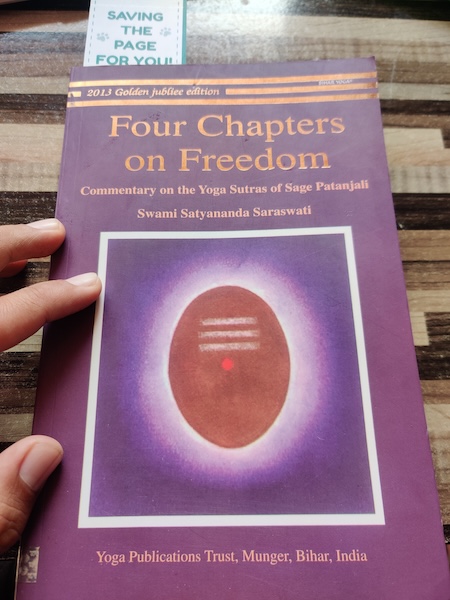
The concept of stillness and awareness comes from Vedantic philosophy, particularly the Upanishads and teachings of Advaita Vedanta.